❋
at the University of Utah
Political Ecology Lab
What is political ecology?The Political Ecology Lab is an interdisciplinary research community examining how power shapes nature–society relations. Spanning human geography, the social sciences, and environmental humanities, we examine the political, economic, and cultural forces shaping environmental transformations. Through collaborative research and public engagement, we work toward more just and equitable environmental futures for human and more-than-human worlds.
❋ curiosity, care, critical thinking❋ epistemic generosity❋ feedback + trainingGraduate student-led, faculty-supported to hold space, encourage participation, and keep ideas moving with purpose.
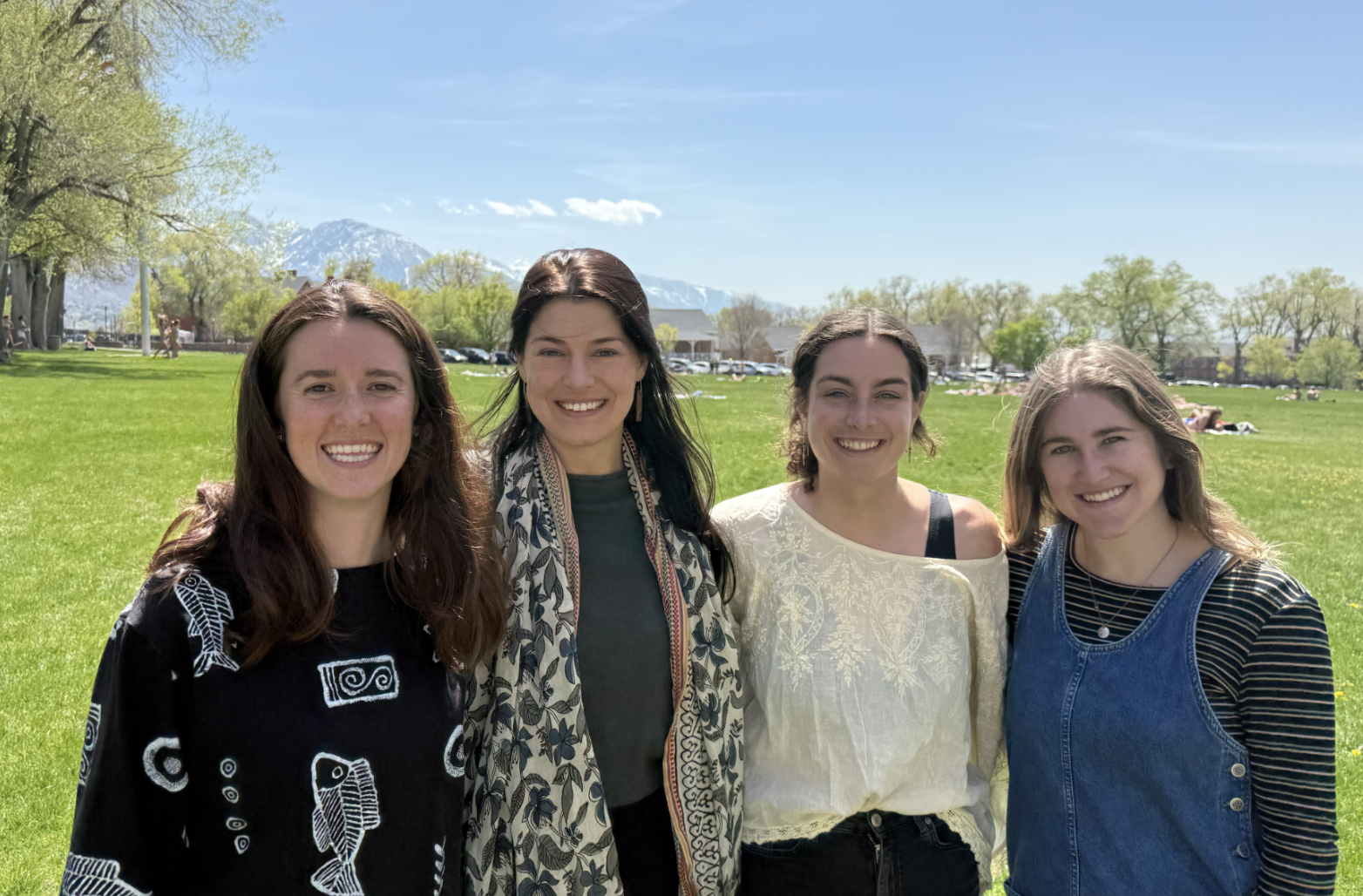
❋ support + connectionPolitical Ecology Lab Members
Director: Dr. Jessica DiCarlo
Current Members
Kang Li (PhD Geography)
Caitlin Quirk (Post-grad researcher; MA Environmental Humanities, 2026)
Gabi Melo (MA Environmental Humanities)
Jiayi Li (PhD Geography)
Duo Lu (PhD Geography)
Talula Pontuti (PhD Geography)
Marissa Greer (PhD Geography)
Ashley Green (PhD Geography)
Maya Gomez-Coultas (MA Environmental Humanities)
Alumni
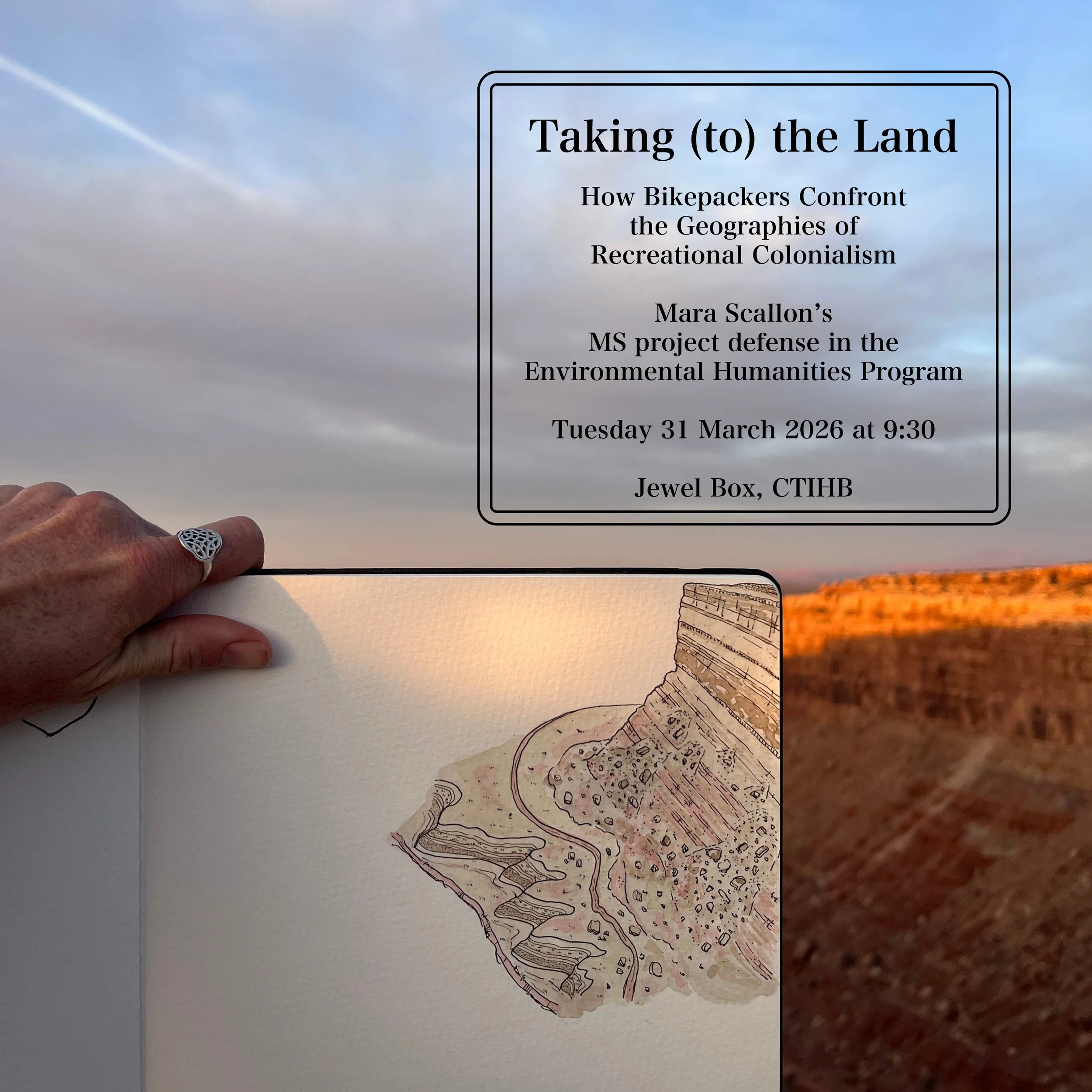
Mara Scallon (MA Environmental Humanities, 2026)
Madeline Hill (ENVST Undergraduate 2025), Recreation & access in the Oquirrh mountains
Garrett Jensen (MA Asian Studies 2024), China’s climate engagement in Samoa
About & History
Inspiration for this lab came from similar writing, reading, and lab groups across CU Boulder, UC Berkeley, and the University of British Columbia, which have shown me the importance of collaborative and supportive intellectual spaces to workshop ideas, build community, and sustain meaning and purpose in our efforts.


Regular events
Monthly lab meetings to foster a space for discussion, collaboration, and feedback. Graduate students can present a “work-in-progress” (grants, data collection tool, conference preparation, qualifying exam materials, paper outlines or drafts) and receive feedback, or graduate students propose a book, article, or topic of discussion related to political ecology for discussion. Topics included, for example, political economy of extraction, critical discourse studies, feminist political ecology, food & agriculture, and more.
Upcoming Events
Inaugural writing retreat... stay tuned.
Past events
AAG 2026 presentations, defense and research talk, and more!
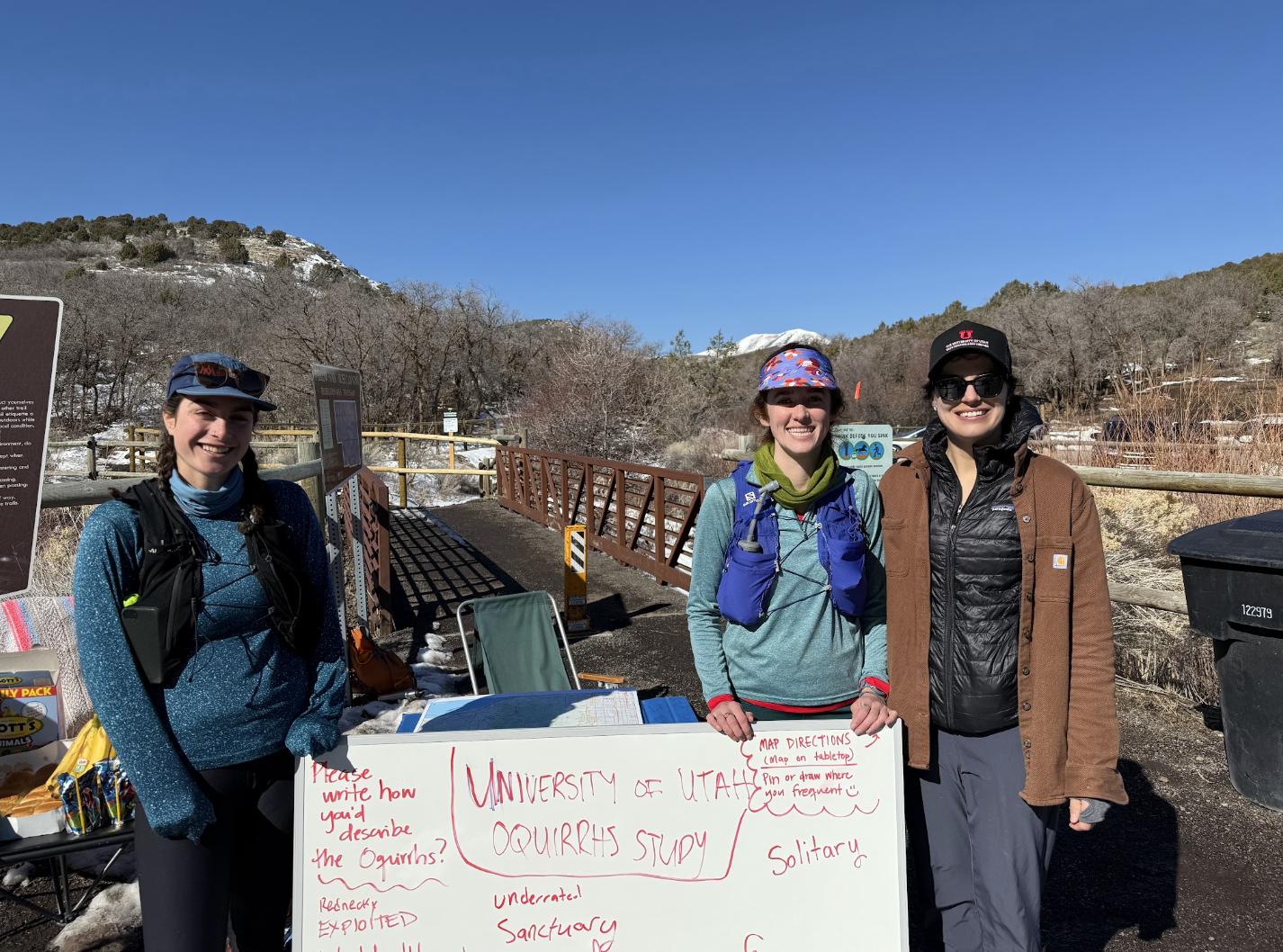
O.U.C.H. - The Oquirrh Ultra Challenge
Belonging in the Oquirrhs, Library Presentation, 2025
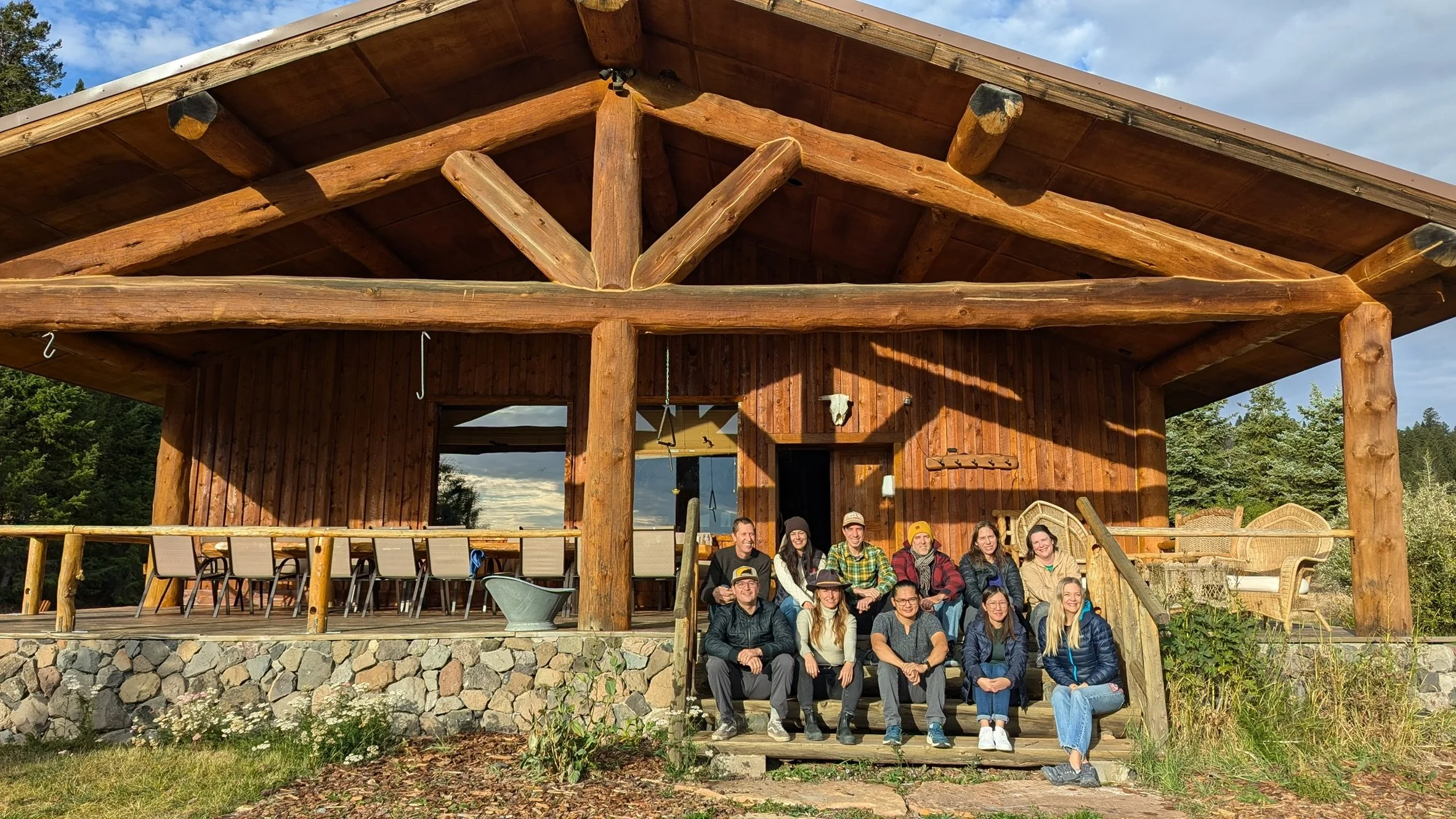
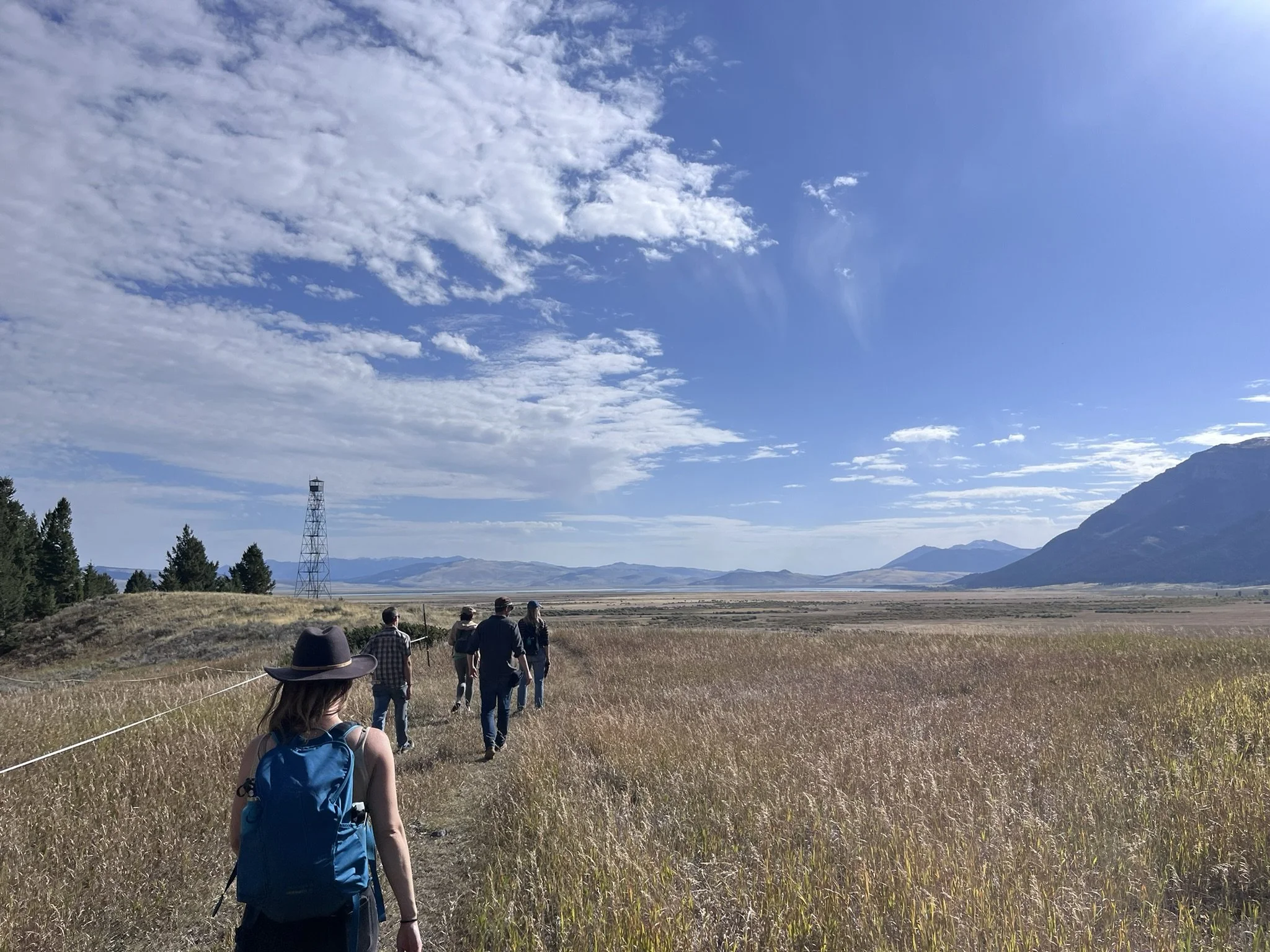
Writing retreat at Taft Nicholson Center (2025), Revisiting the Political Ecology and Agrarian Studies of Southeast Asia
Projects
Hidden in Plain Sight: Development, Extraction, and Environmental Protection in the Oquirrh Mountains
Cait Quirk, Mara Scallon, Maddie Hill, & Jessica DiCarlo
The Oquirrh Mountains in the Salt Lake Valley of Utah extend 30 miles from north to south and 15 miles wide, dividing Toole and Salt Lake Valleys, and running up to the southern edge of the Great Salt Lake from the northern edge of Utah Lake. Less than an hour away from Utah’s capital, the Oquirrhs are constantly in sight of much of Salt Lake City, yet infrequently visited or studied compared to the Wasatch Mountain range. We approached this research project with the aim of understanding the social, cultural, political, historical, and other forces that shape perceptions and uses of the Oquirrhs. What has made the Oquirrhs overlooked? What property regimes make parts of the Oquirrhs (in)accessible to the public and why, and what patterns of access and land control led to the current situation? What are the histories of the range, including and beyond mining? How have the uses of the mountains affected environmental health? Why have conservation efforts focused on the Wasatch Mountains and not the Oquirrhs?
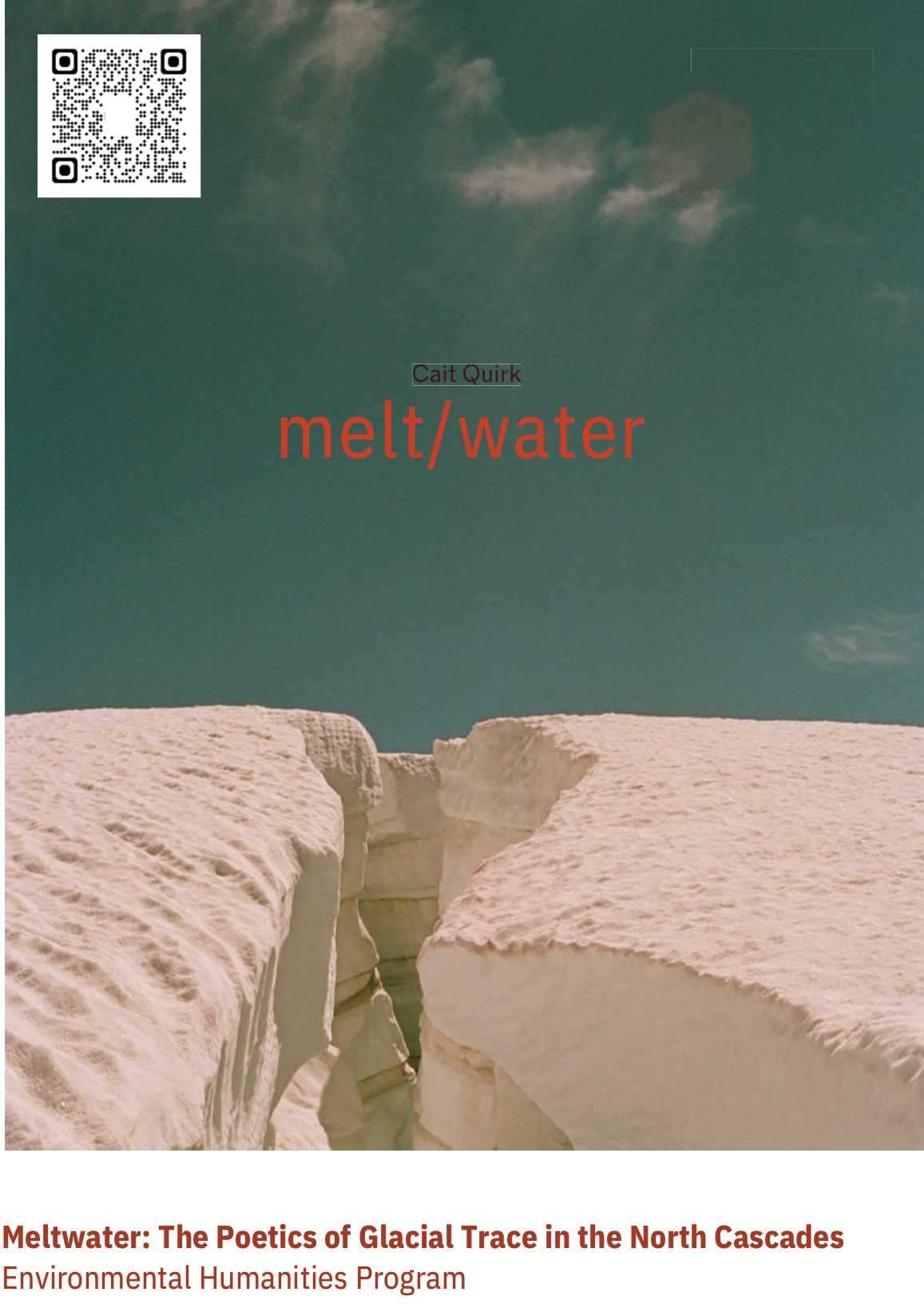

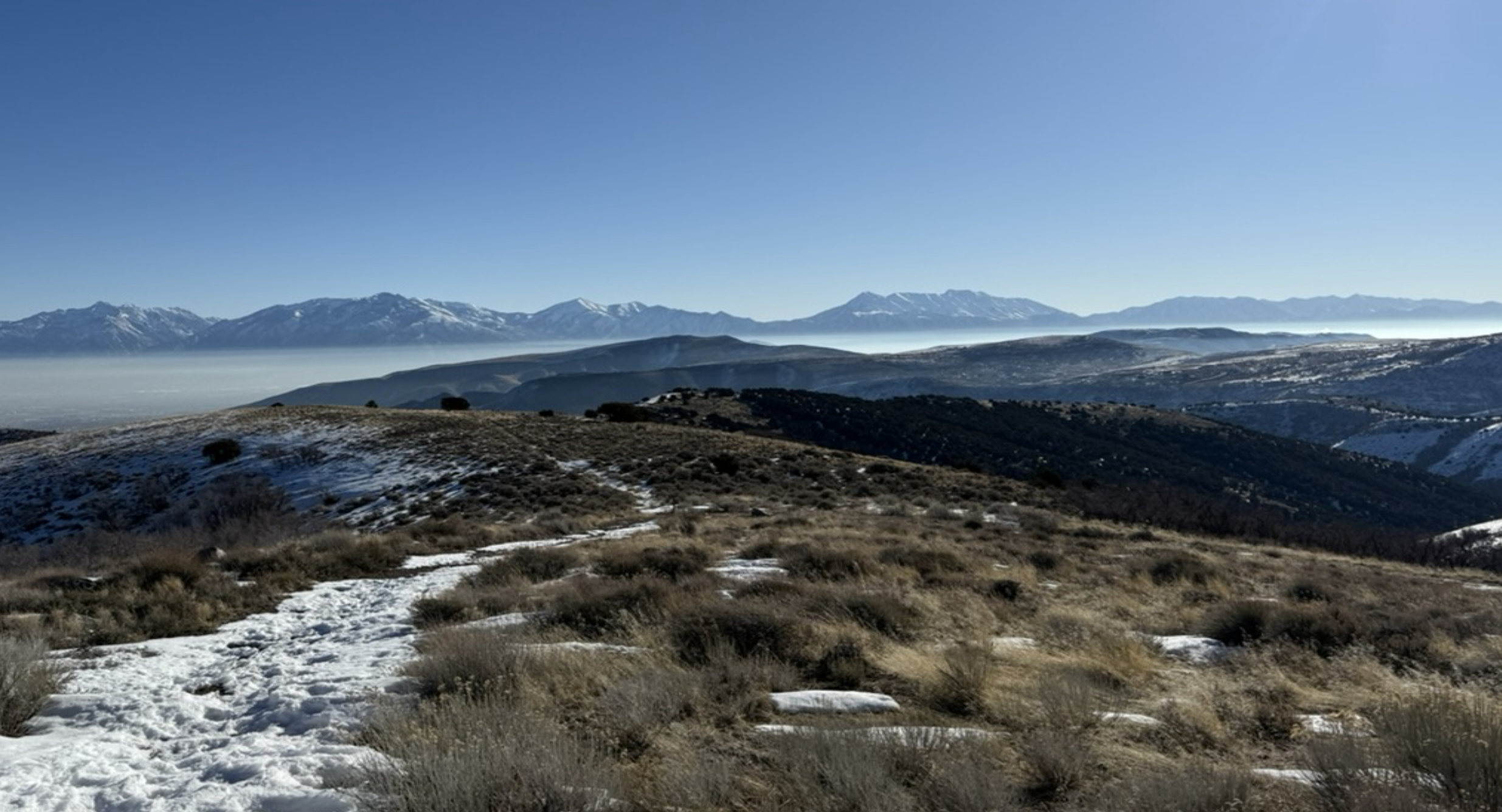
Articles are in progress, and our storymap can be found here: https://storymaps.arcgis.com/stories/a8b1c142de3442428b7d42d00d550327 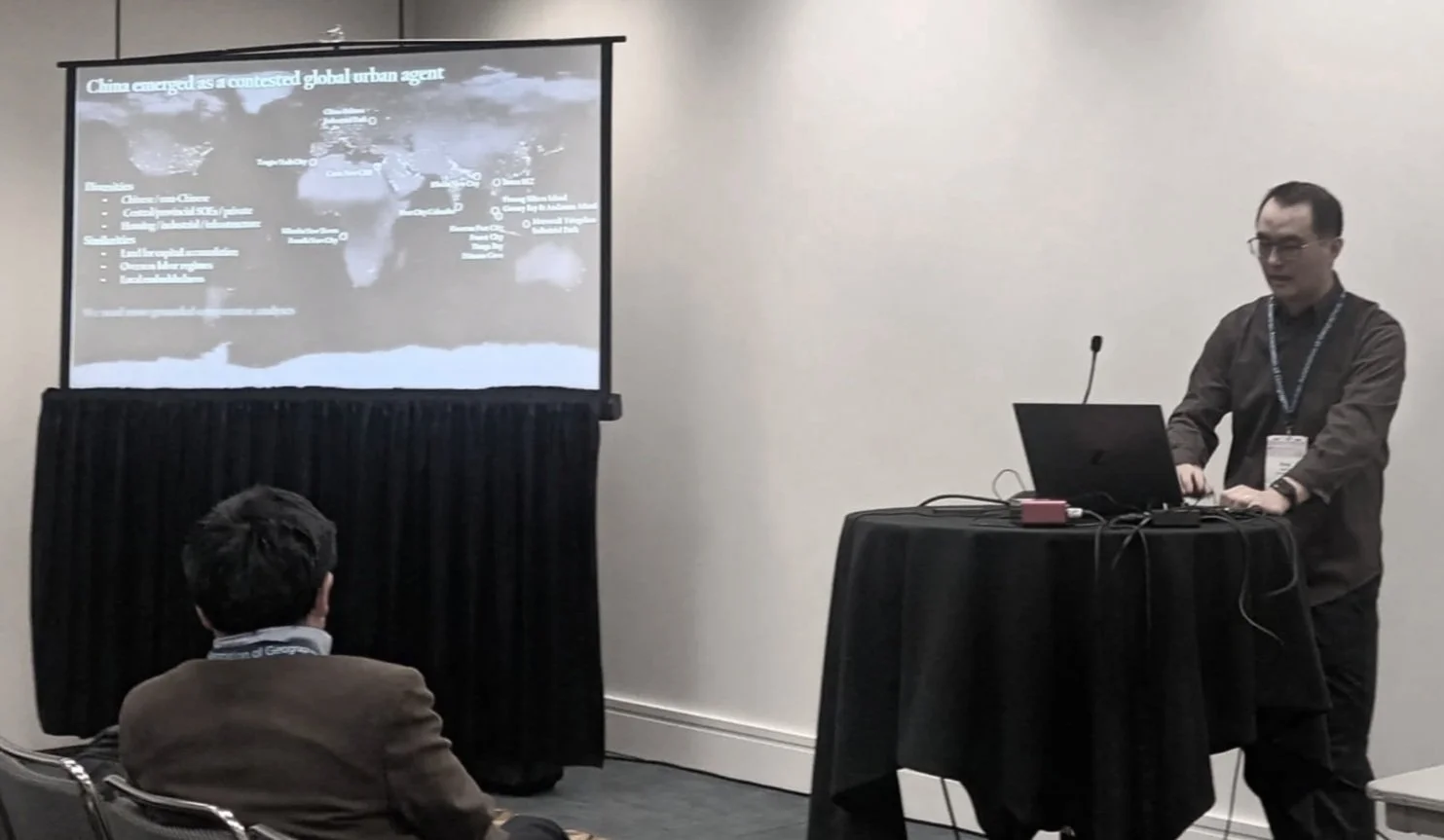
Housing Insecurity in Utah
Kateryna Malaia, Jessica DiCarlo, and Sagan Gotberg
Housing Insecurity in Utah is a multidisciplinary pilot research project that explores the lived experiences of housing instability in the Salt Lake Valley. Amid Utah’s rapid growth and rising housing costs, many residents, especially vulnerable populations, face unsafe, unstable, and unaffordable living conditions. This project goes beyond affordability to investigate how housing insecurity intersects with environmental hazards, systemic policy failures, and social injustice. Through oral histories, interviews, and visual documentation of residential spaces, the project highlights how people cope with precarious housing—often in spaces that are overlooked by conventional housing research. In particular, we pay attention to “in-between” situations where people are not homeless but lack secure, stable, or safe homes. Key groups include refugees and immigrants, formerly incarcerated individuals, linguistically isolated communities, university students, and those in short-term housing. Combining approaches from human geography, architecture, planning, and environmental studies, the project reveals how housing insecurity disrupts daily life, deepens inequality, and exposes people to environmental risks. Ultimately, it seeks to link personal experiences with broader systems, offering a justice-oriented view of the housing crisis in Utah.
Malaia, Kate, Silvina Lopez Barre, and Jessica DiCarlo. 2024. What Can Architects Really Do? Housing Crisis and Quality in the United States. Architectural Research Centers Consortium: ARCC Conference Proceedings.
Several oral histories and housing resources from the project can be found here: https://housing-insecurity.vercel.app/
Listening Differently, By Mara Scallon